We Steal Secrets; Apparently Mine!
 What a perfect firestorm in which to release We Steal Secrets: The Story of Wikileaks, a film by acclaimed director Alex Gibney. The Bradley Manning trial is starting; Julian Assange went to war with Google; PRISM; Snowden; James Clapper. The country seems to be consumed by a conversation about privacy and secrecy (is there a difference?). The film follows in style and tone of Gibney’s previous work, ENRON: The Smartest Guys in the Room and Taxi to the Dark Side. It is a thriller, and as such it is engrossing and entertaining. It has espionage, intrigue, and sex. What more can you ask for from a documentary?
The story of course is one that we already know. The press has covered it in many varied ways, including an informative and well produced FRONTLINE titled WIKISecrets. However, what Gibney brings to the table is an ability to humanize this story in ways that inform far more fully than traditional reporting ever could. Under Gibney’s treatment, the story of WikiLeaks transforms into one of hubris run amok or in the case of Manning, into the story of a young man with noble intentions and a deep desire to connect.
The portrayal of Assange is truly fascinating. He is a man spiraling towards decline and the viewer can not look away from the screen. To make matters worse, Assange seems intent on doing it in front of the cameras. My soul sister, Edwina Margaret Rose Monsoon once said, “I PR things!!!” If there were ever a clear example of what she meant, it  would be Assange. He manipulated the story and made it entirely about himself. In the process, he made Wikileaks a household name and himself a martyr for free speech. The coup for Gibney in his portrayal of Assange is landing an interview with one of the women involved with Assange and the source of his legal troubles. What we discover is the bizarre case of no case at all. The women in the case originally wanted Assange to take an AIDS test. It escalated only because Assange, smartly so, labeled himself “the persecuted” and carried this banner all the way to the Ecuadorian Embassy in London. It was a smart play recognized by everyone around him but not by the legions of followers he developed over this period. The theme of Assange’s story as presented by Gibney is that if you are going to act like a martyr then you better be a saint, and Assange is no saint. Hypocrisy drips from every one of his actions; his nonexistent editing protocols; the interjection of his personal politics; his sexual escapades; his procreation; and his seeking asylum from Ecuador. Ecuador?! Really?!
The heart of We Steal Secrets, however, is with the absent party in the film, Manning. Gibney did not obtain an interview for this film; instead he uses text from Manning’s conversation with Lamo to create a truly compelling portrayal of a troubled young man. The text appears against a monochromatic screen, and the effect is haunting. I 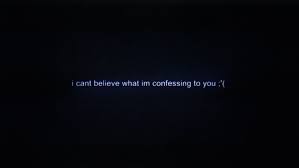 have very conflicting feelings about men like Manning and Snowden. On one hand, they entered into contractual obligations with the government and violated those agreements. On the other, I can not say with conviction that Manning and Snowden are not correct; that perhaps these are secrets that belong in the public discourse. I do not think I’ll ever find an answer to that question that fully satisfies me, and perhaps the truth is in the middle. However, I do not believe that you can watch this documentary and walk away from it feeling no form of sympathy towards Manning. In this regard, We Steal Secrets is the most effective.
The film presents a fair and complete picture and poses serious questions about the usefulness of government secrets and the need for public discussion. The denouement comes as General Michael Hayden, former CIA and NSA director, simply states “We steal secrets.” He could have added a “duh!” for emphasis, but it would have been too much. We Steal Secrets concerns itself with what we do with that understanding. What constitutes a secret? What limits does or can a society place on its government organizations? How should those who reveal secrets be punished? There are no easy answers, but Gibney presents a compelling case for why it is imperative that we have a debate about these issues.

 Sometimes a Good Notion