Alone With Leni
I’m not teaching History of Film this term. When this happens I get a rare opportunity to reexamine my lectures and class plans. I find it much easier to be objective about my work when I’m not neck deep in the pressure of having 3 hours of lecture prepared each week.
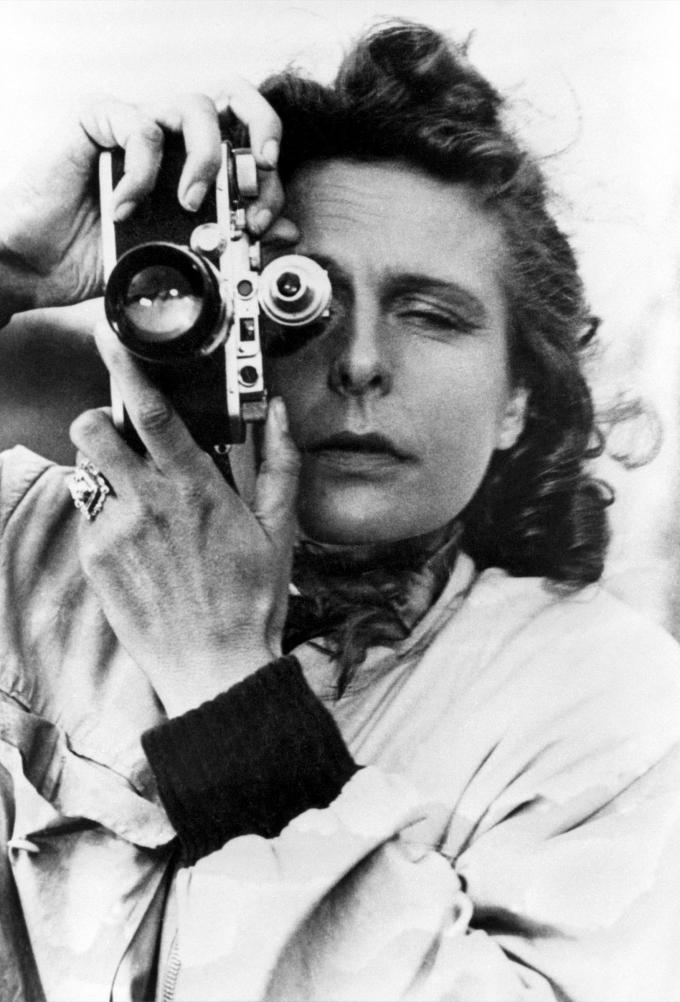 I stop myself on a lecture I do on Leni Riefenstahl which, even when I give it, feels incomplete. As if there is something that I want to say about her but can’t. The lecture itself is well designed. It consists of about 40 minutes of Riefenstahl history including up to the beginning of her work for the Nazi Party. Then about 1 hour of footage from Triumph of the Will accompanied with my commentary on shot composition and technique. Then 15 minutes of her Post Nazi history accompanied by 20 minutes of the terrific documentary The Wonderful Horrible Life of Leni Riefenstahl. This leads the students to a sometimes heated discussion about art and responsibility, which is exactly where I want them to be by the end of the class. The lecture works as intended and the student is forced to think.
Controversy is not the problem. I do full days on Griffith and Kazan. I want my students to think about how they as filmmakers are communicating and the reasons they are communicating. It’s not the controversy that makes the lecture seem unfinished and messy. It’s that Riefenstahl feels alone. Outside of the narratives that other filmmakers fit into. She doesn’t belong to a movement or school that can be easily surmised in bullet points. Her story is unique, and perhaps I’m not helped by introducing her “as the only female director we will be discussing.”
And so I sit here, reading my lecture, wondering if Riefenstahl can be put into any context other than the Nazi story I’m used to telling. Is hers the story of female directors? Alongside what filmmakers can she be placed? Or is Riefenstahl’s narrative so unique, so strange, so self made, that she is forever relegated to being studied alone?
 Sometimes a Good Notion